About
A field guide to a place most people have only read about.ꯃꯅꯤꯄꯨꯔ
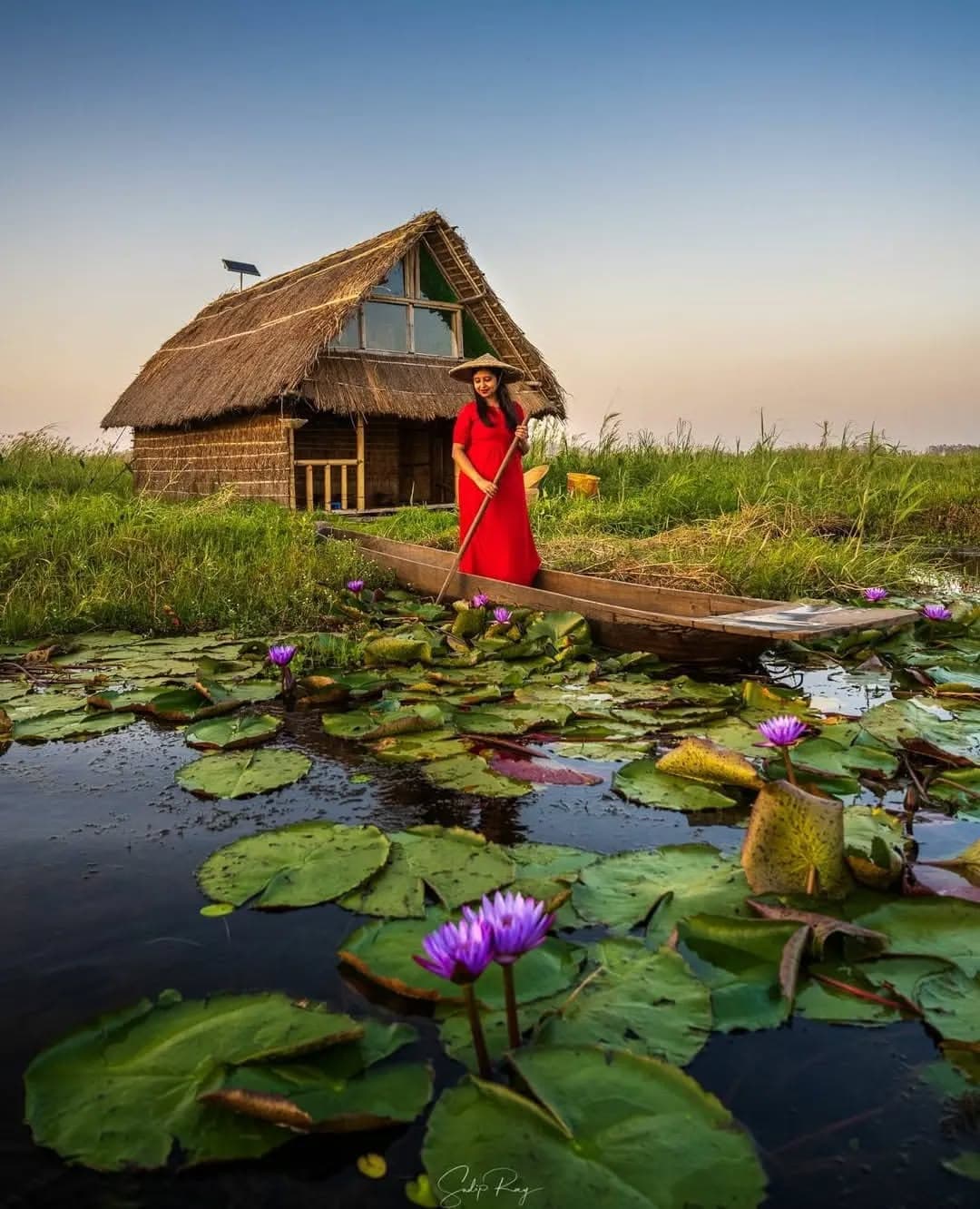
Why Manipur
The problem was never the place.
Manipur has a lake with islands that float and drift, a valley ringed by hills that hold cloud until mid-morning, a market run entirely by women that has stood for centuries, a dance form recognised across the world, and a textile tradition that many households still practise at home.
What it has not had is a way for a curious traveller to find any of that in one place. Search for a homestay near Loktak and you will find a phone number on a forum from 2017. Ask what a permit involves and you will get five different answers. Ask how to reach a village in Ukhrul and the honest answer is that you need to know someone.
That gap is not a marketing problem. It is an information problem, and it costs the people who live here the most, because the visitor who cannot plan a trip simply goes somewhere else, and the income goes with them.
A destination does not become visible because someone calls it hidden. It becomes visible when the practical details are written down.


What Discover Manipur does
Six things, done properly, instead of twenty done thinly.
Everything below is built and in the codebase. Nothing here describes a feature we have only talked about.
A catalogue you can actually plan from
Places, homestays, experiences, eateries, transport and multi-day tours, each with the details a trip actually turns on: what it costs, how far it is from Imphal, how long to allow, which season suits it, and whether a wheelchair can get in.
Hosts with names
A homestay listing carries the host's own story. An experience carries the name of the weaver, cook or guide leading it, the languages they speak, and the maximum group size, because a workshop for six is a different thing from a workshop for thirty.
An AI concierge that stays on the map
Give it your dates, your pace and what you care about, and it drafts an itinerary from the same catalogue the rest of the site uses, so it cannot recommend a homestay that does not exist. It is paused on the live site for now, and the planner shows a sample conversation instead.
A responsible-travel layer that is not decorative
Loktak's phumdis, the sangai's habitat, photography consent, fair pay for guides, buying handloom directly from the person who wove it. Written as specific asks, not as a slogan.
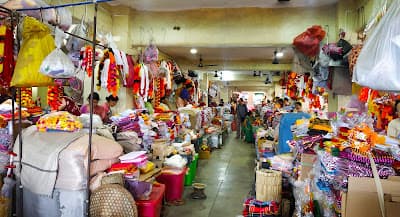
Ima Keithel in Imphal: a market run by women, and one of the places a visitor can contribute to the local economy most directly.
Local hosts
Who this is supposed to be good for.
A homestay in Manipur is often one family, two spare rooms and a WhatsApp number shared by word of mouth. That model is generous and fragile at once: it works beautifully for the guest who already knows about it, and not at all for anyone else.
Discover Manipur is built so that a host does not need a marketing budget or a booking system to be found. A listing is a page: their story, their photographs, their rules, their price, their district. The platform's job is to be the road between that page and the person looking for it.
The same applies to guides, weavers, cooks and drivers. Experiences are priced per person and capped by group size so a host can say no to a coach party without losing the listing, and the responsible travel guidance asks visitors to pay guides properly rather than to bargain them down.
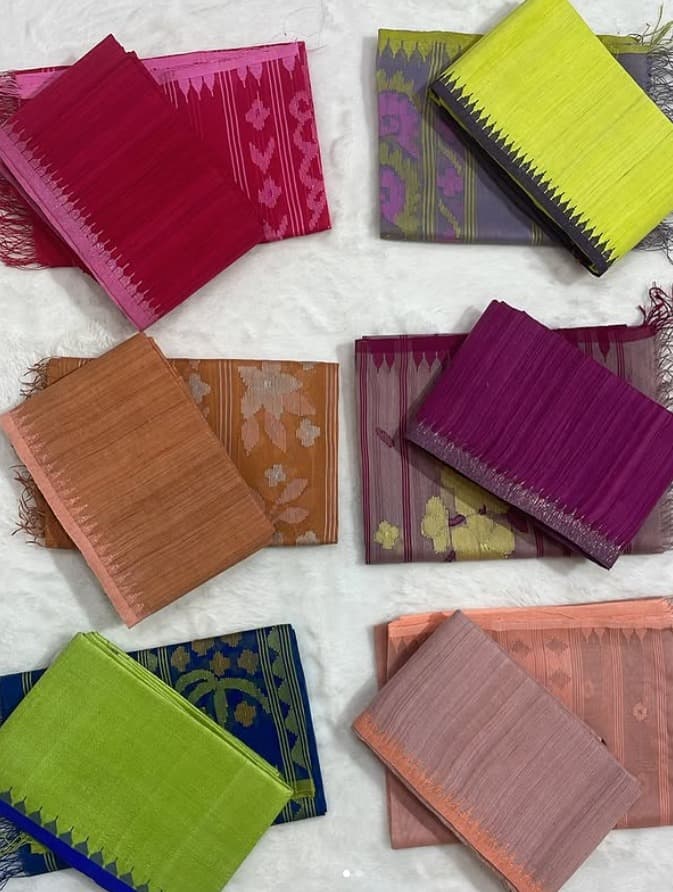
Handwoven cloth. Bought from the weaver, almost all of the money stays with the household that made it.
What we focus on
The six briefs, and what we built against each.
Six things a traveller actually needs from a destination site, and what we built against each.
Smart & Digital Tourism
One place to find a stay, a route, a meal and a guide, instead of five WhatsApp groups and a search engine that has never heard of your village.
Heritage & Culture
Ras Leela, Thang-Ta, the polo ground, the handloom and the histories behind them, written out properly rather than reduced to a caption.
Sustainable & Eco-Tourism
A responsible-travel layer that names the real pressures on Loktak, on the hills and on host communities, and asks visitors to travel accordingly.
Tourist Experience
Planning that reads like a friend explaining the trip: what a place costs, how long it takes, when to come, and what to do when plans change.
AI, AR & Emerging Tech
An AI concierge that drafts an itinerary from your dates and interests, and immersive views of places most visitors have only seen in photographs.
Accessibility & Multilingual
WCAG 2.1 AA as a build target, honest accessibility notes on each place, and Meetei Mayek alongside English where it belongs.
How we work
Four rules we hold ourselves to.
- Say what we know
- Prices, timings and permit rules change. Where we are not certain, we say so and point you at the official source rather than inventing a number.
- The host keeps the guest
- Homestays and experiences are listed under the name of the family or the guide who runs them, with their story attached, not flattened into a brand.
- Nothing borrowed from elsewhere
- Manipur is not a stand-in for a more famous destination. The writing, the palette and the photographs come from the place itself.
- Built to be handed over
- An open-source platform is only useful if other people can keep running it. The data layer, the content and the design tokens are separated so they can.
An honest note
Discover Manipur is a community project, not a tour operator.
We do not run properties, employ guides, take payments or hold commercial partnerships with any of the businesses described on this site. It is open source and run by volunteers, and it is not an official government service. A booking made here is a request saved with your account, not a contract, and nothing on the platform should be treated as a confirmed reservation.
Some stay, food, experience and transport listings are still sample entries rather than real businesses, and prices and timings can be out of date. Before you travel, check permit requirements, road conditions and current government travel advisories with official sources. We say this on every page where it matters, and we mean it.